AI for EE Research

Welcome to AI for EE Research, an interactive intelligent textbook for researchers in electrical engineering and computer design. It is a hands-on guide to using AI tools and agents for everyday research tasks: literature searches, data analysis, brainstorming, coding, and manuscript preparation.
The book's central idea is that your role shifts from doing every task by hand to orchestrating a team of agents, while you stay accountable for the science.
Start with Chapter 1 Browse the Posters Try a MicroSim
Welcome!
 I'm Volt, and I'll be rounding up the key ideas as you work through this
book. Agents can do a great deal of your research legwork, but you stay
accountable for the science. Trust, but verify!
Who This Book Is For
Graduate students, postdoctoral researchers, faculty, and practicing engineers in electrical engineering and computer design who want to use AI responsibly in their research. You do not need a background in machine learning; you need curiosity, and the habit of checking your results.
What's Inside
Use the left-hand navigation or the links below to explore each section.
Start Here
- About This Book — the purpose, audience, and design of the book, and the author behind it.
- Course Description — the audience, prerequisites, topics, and learning outcomes the whole book is built from.
Chapters
The core of the book is 20 chapters covering 379 concepts, each introduced after the concepts it depends on. Every chapter has annotated references and a self-check quiz.
- Foundations (Chapters 1–4) — research workflows, how language models work, choosing models and writing prompts, and context engineering.
- Project knowledge and skills (Chapters 5–7) — Markdown and version control, knowledge bases and personal knowledge graphs, and designing and testing agent skills.
- Agents and teams (Chapters 8–10) — agents and tool use, supervising agents, and orchestrating agent teams.
- Applying AI to research (Chapters 11–16) — literature search, data analysis, simulation and reproducible code, brainstorming, manuscript preparation, and MicroSims for communication.
- Trust and responsibility (Chapters 17–20) — verification, ethical use, always-on personal agents, and the capstone project.
Infographic Posters
The Poster Gallery turns the book's biggest ideas into 20 full-width interactive infographics. Most set a risky way of working beside a controlled one so the difference is visible at a glance. Hover or click a region to read what it shows, then switch to Quiz mode to test yourself. The original concepts and their sources are in Infographic Poster Ideas.
-
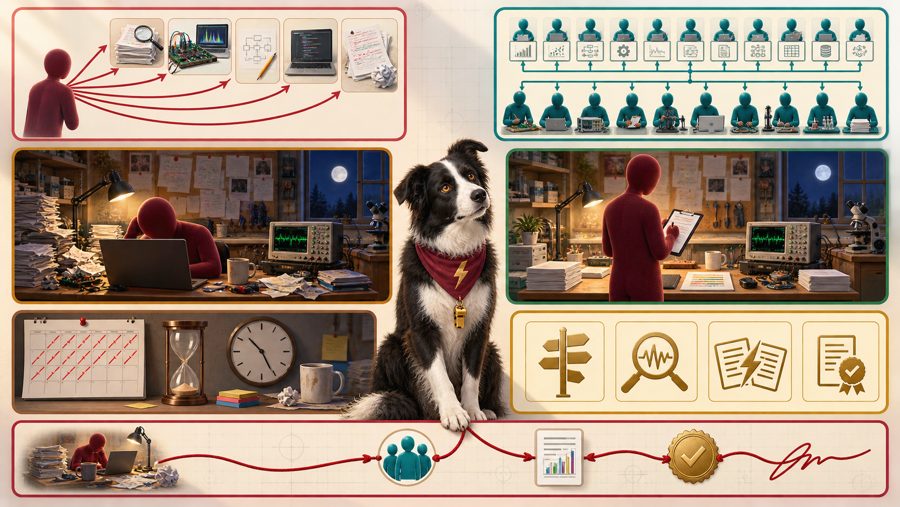
From Doing Everything to Directing Everything
Your job moves from doing every task by hand to directing a team of agents.
-
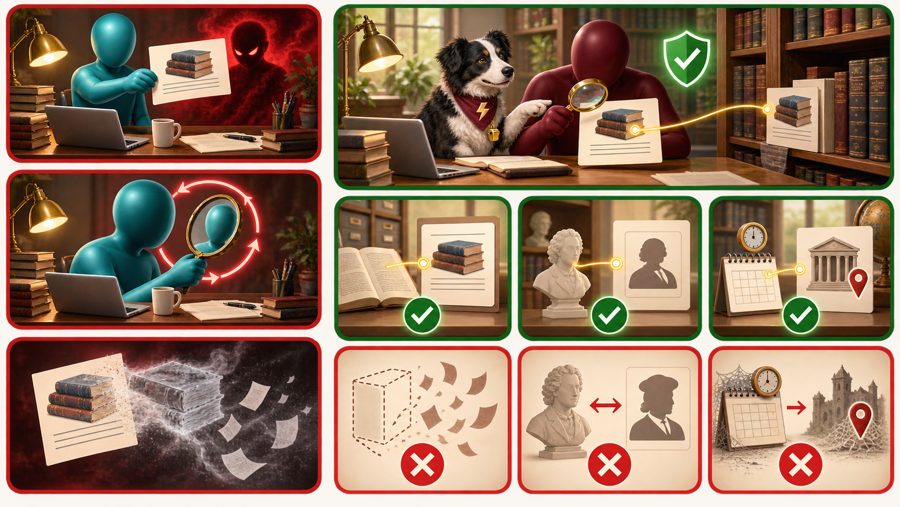
The Real Citation and the Fluent Fake
A model writes a fabricated reference as fluently as a real one, so every citation needs checking.
-
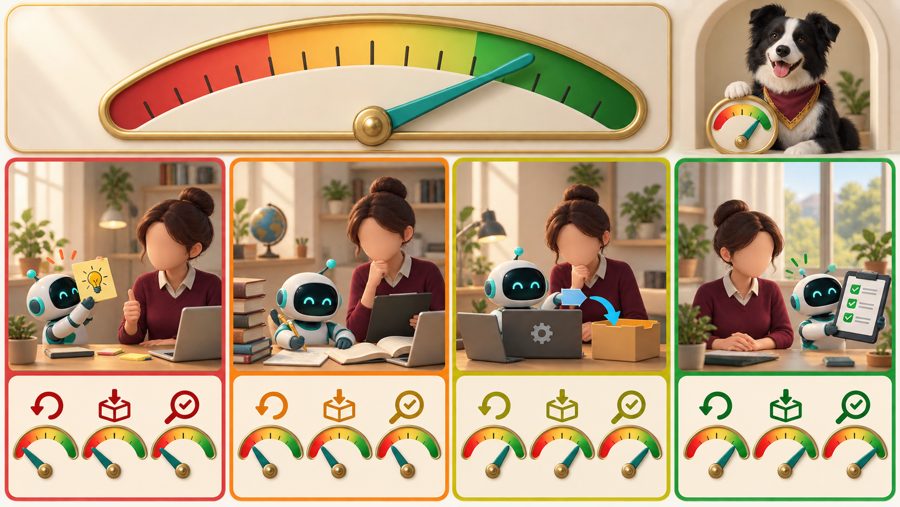
Decide how much freedom each agent gets, and what it must ask you first.
-
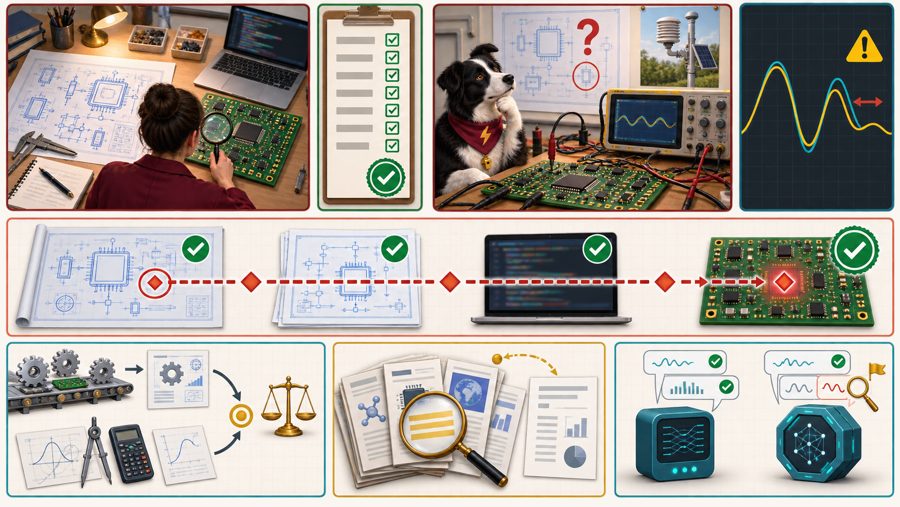
Code that matches its spec can still be the wrong model of the physical world.
MicroSims
The MicroSims section holds 45 interactive simulations that let you practice each chapter's ideas: sort, predict, calculate, and judge. Each one focuses on a single concept and is embedded in its chapter. Good places to start are the Agent Loop Stepper, the Context Window Budget Calculator, and the Citation Verification Judge.
Learning Graph
The Learning Graph maps how the book's 379 concepts depend on each other. Explore it in the interactive Learning Graph Viewer, or read the concept list, taxonomy, and quality analysis behind it.
Appendices
The Appendices hold supporting research that is not yet part of a chapter: Agent Personas, a sample team of seven agent characters for a researcher's dashboard; Personal Agent Software, a comparison of always-on personal AI agent products; and Personal Knowledge Graphs, a summary of research on integrating personal knowledge graphs securely into an organization.
Reference
- Glossary — definitions of the book's key terms.
- References — the book's bibliography.
- License — Creative Commons BY-NC-SA 4.0, free for non-commercial use.
- Contact — questions, corrections, and suggestions.
How to Use This Book
- Read in order. Early chapters build the foundations; later chapters build on them.
- Practice with the MicroSims embedded in each chapter, or browse the full MicroSim list.
- Check yourself with the quiz at the end of each chapter.
- Review with the posters when you want a one-page picture of an idea.
- Look up unfamiliar terms in the Glossary.
Ready to begin?
 Pick a chapter, run a MicroSim, and see how much legwork you can hand off.
I'll be right here to help you check it.