Mascot Test Page
This page demonstrates how a mascot looks when embedded inline with text content — the way it would appear in a real chapter. The mascot used here is Axiom the Owl from the Intelligent Textbooks project.
Use this page to:
- Verify each pose renders cleanly against the site's light and dark themes.
- Check that there's no white halo around the character (a sign of a dirty alpha channel).
- Confirm padding is tight enough that text wraps comfortably next to the image.
- Get a feel for which poses to reach for in which moments of a chapter.
Mascot Admonitions
The six themed admonition classes defined in mascot.css (mascot-welcome, mascot-thinking, mascot-tip, mascot-warning, mascot-celebration, mascot-encourage) pair a colored title bar with the floated mascot image. Use them anywhere a Material admonition would feel appropriate.
Welcome to the chapter
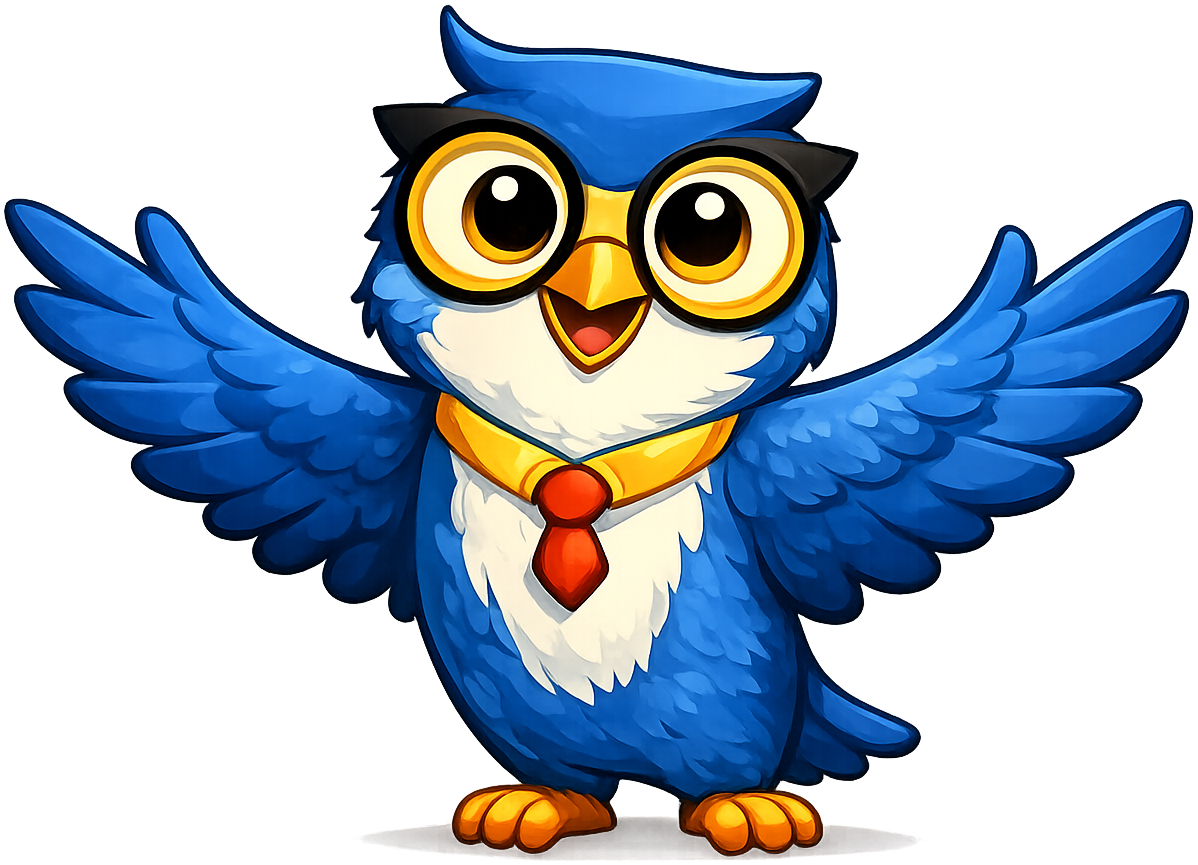 Welcome to the chapter. The welcome pose belongs at the top of a new chapter or unit. Axiom is waving and looking the reader in the eye — a small, deliberate signal that we're starting fresh and that the reader is in good hands.
Pause and reflect
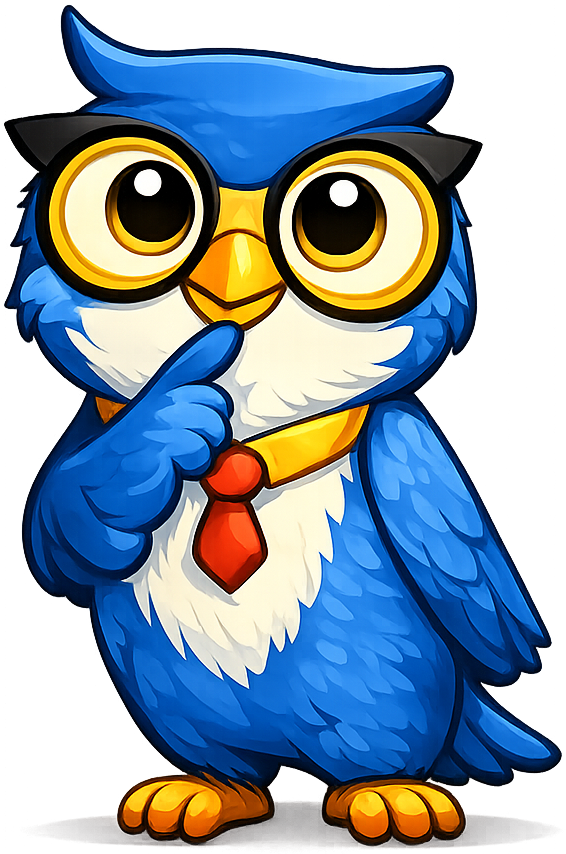 The thinking pose tells the reader that the next paragraph is going to ask them to slow down. Use it before a worked example, before a "consider this" rhetorical question, or anywhere you want the student to stop skimming.
Axiom's tip
 Use the tip pose for shortcuts, mnemonics, and "by the way" advice that helps the student but isn't strictly required to follow the main argument. Keep tips short — one or two sentences.
Axiom's warning
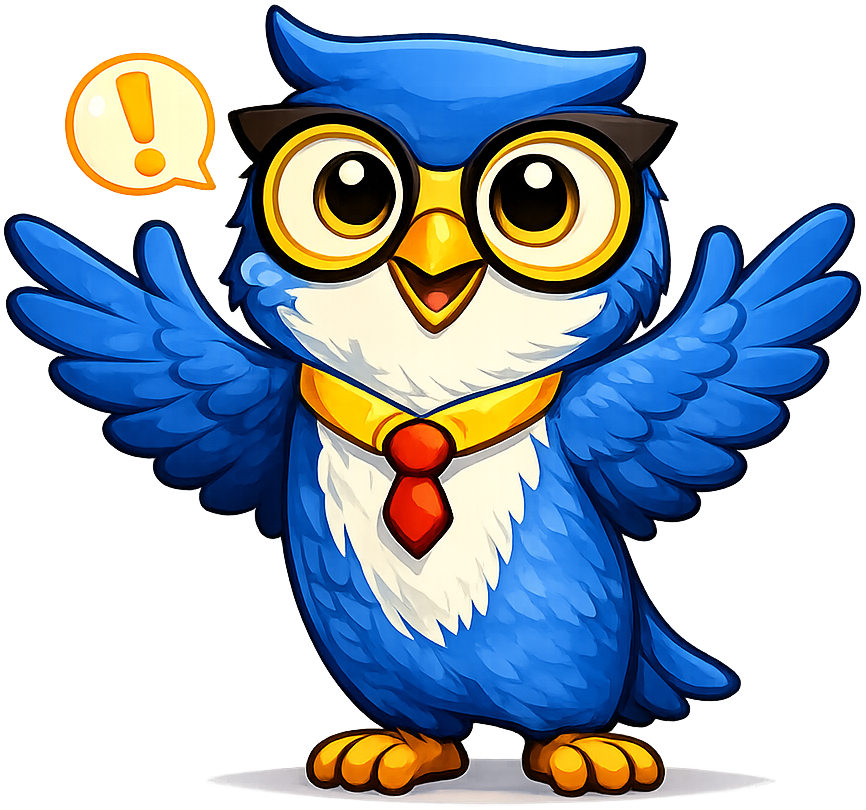 The warning pose flags a common mistake or a footgun the student is about to walk into. Always pair it with the fix, not just the danger — a warning without a remedy is just anxiety.
You finished!
 The celebration pose closes a chapter, a unit, or a particularly hard section. Don't waste it on small wins — if every paragraph ends with a celebration, the gesture is empty.
You've got this
 The encouraging pose belongs at the moment a student is most likely to give up: right before a hard problem, after a section that introduced a lot of new vocabulary, or at the start of a long worked example.
Inline Poses
The same poses also work as inline images embedded directly in body text. Each image below is wrapped with a thin dashed blue border so you can see the exact transparent bounding box of the asset against the page background.
Path gotcha — markdown vs. HTML images
The admonitions above use raw <img> tags, which the browser resolves relative to the served URL (/book-mascots/mascot-test/). The inline images below use markdown  syntax, which MkDocs rewrites relative to the source .md file (docs/mascot-test.md). That's why the HTML <img> tags need ../mascots/intelligent-textbooks/… while the markdown images use plain mascots/intelligent-textbooks/…. Mixing the two paths is the silent footgun — broken images on the rendered page even though the asset exists on disk.
Welcome
Welcome to the chapter. The welcome pose belongs at the top of a new chapter or unit. Axiom is waving and looking the reader in the eye — a small, deliberate signal that we're starting fresh and that the reader is in good hands. Use this pose sparingly; if every section opens with a wave, the wave stops meaning anything.
Neutral
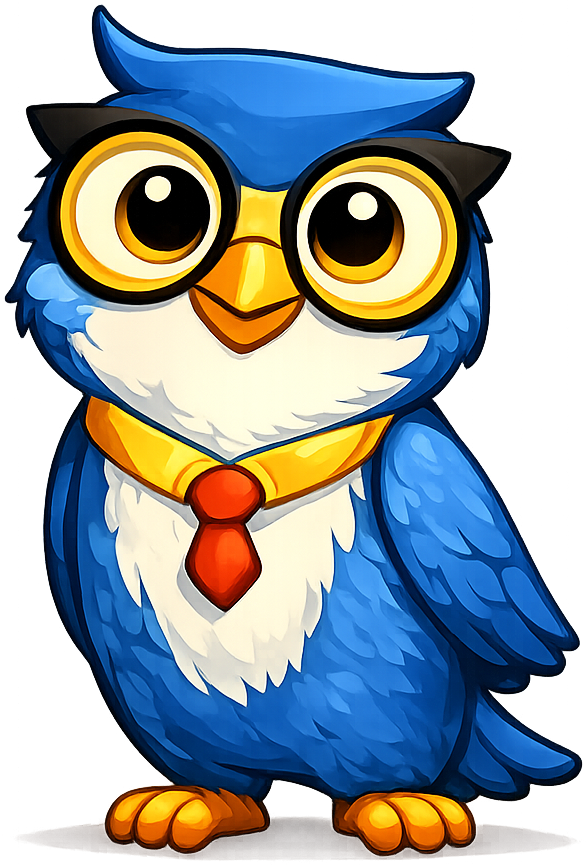
Default presence. The neutral pose is the workhorse. It's what you embed next to a definition, an example, or a paragraph of explanation when you want a friendly face on the page but you don't want to add any extra emotional weight. Treat it as the textual equivalent of a comma — a small visual breath in a long stretch of prose.
Thinking
Pause and reflect. The thinking pose tells the reader that the next paragraph is going to ask them to slow down. Use it before a worked example, before a "consider this" rhetorical question, or anywhere you want the student to stop skimming. Pair it with a question, not an answer.
Tip
A small shortcut. Use the tip pose for shortcuts, mnemonics, and "by the way" advice that helps the student but isn't strictly required to follow the main argument. Keep tips short — one or two sentences.
Encouraging
You've got this. The encouraging pose belongs at the moment a student is most likely to give up: right before a hard problem, after a section that introduced a lot of new vocabulary, or at the start of a long worked example. The job here is emotional, not informational — the prose around it should acknowledge that the next bit is hard, then promise that the effort is worth it.
Warning
Watch out. The warning pose flags a common mistake or a footgun the student is about to walk into. Use it for off-by-one errors, misread definitions, sign mistakes, and the like. Always pair it with the fix, not just the danger — a warning without a remedy is just anxiety.
Celebration
You finished. The celebration pose closes a chapter, a unit, or a particularly hard section. It rewards the reader for the work they just did. Don't waste it on small wins — if every paragraph ends with a celebration, the gesture is empty. Save it for real milestones.
Explain (bonus pose)
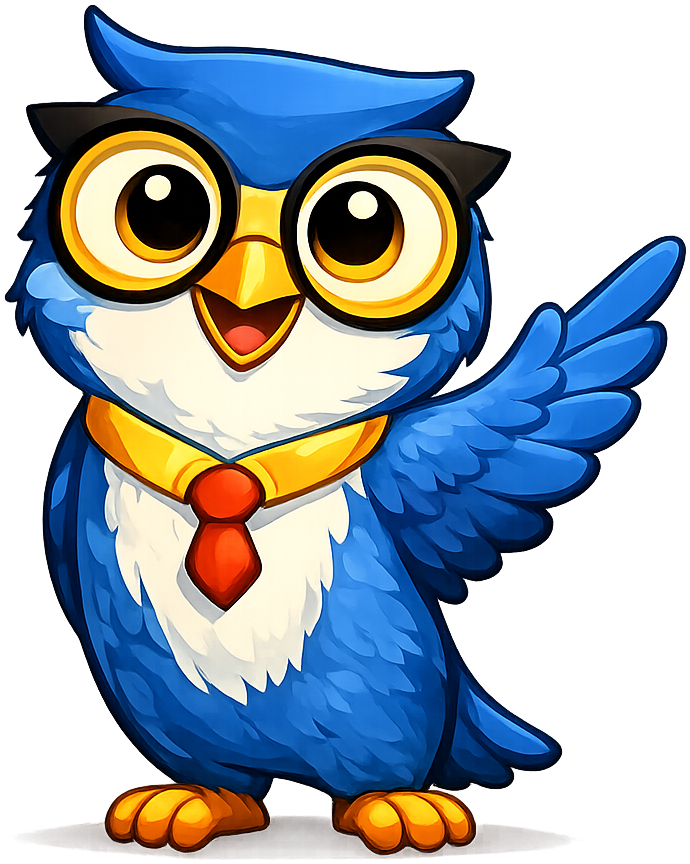
Axiom has an extra explain pose that isn't in the standard seven-pose set. It works well next to a definition box or a "here's how this actually works" paragraph — a lecturing-but-friendly stance. Not every mascot has this; it's a nice-to-have when the character supports it.
All poses at a glance
-
Welcome
-
Neutral
-
Thinking
-
Tip
-
Encouraging
-
Warning
-
Celebration
-
Explain
If any of the images above show a colored halo, a visible bounding box, or extra space between the character and the surrounding text, see Mascot Image Quality for the trimming and transparency tools we use to fix it.