Robot Faces Stories
These illustrated case studies look behind expressive robot faces to ask a larger question: what makes educational technology last?
-
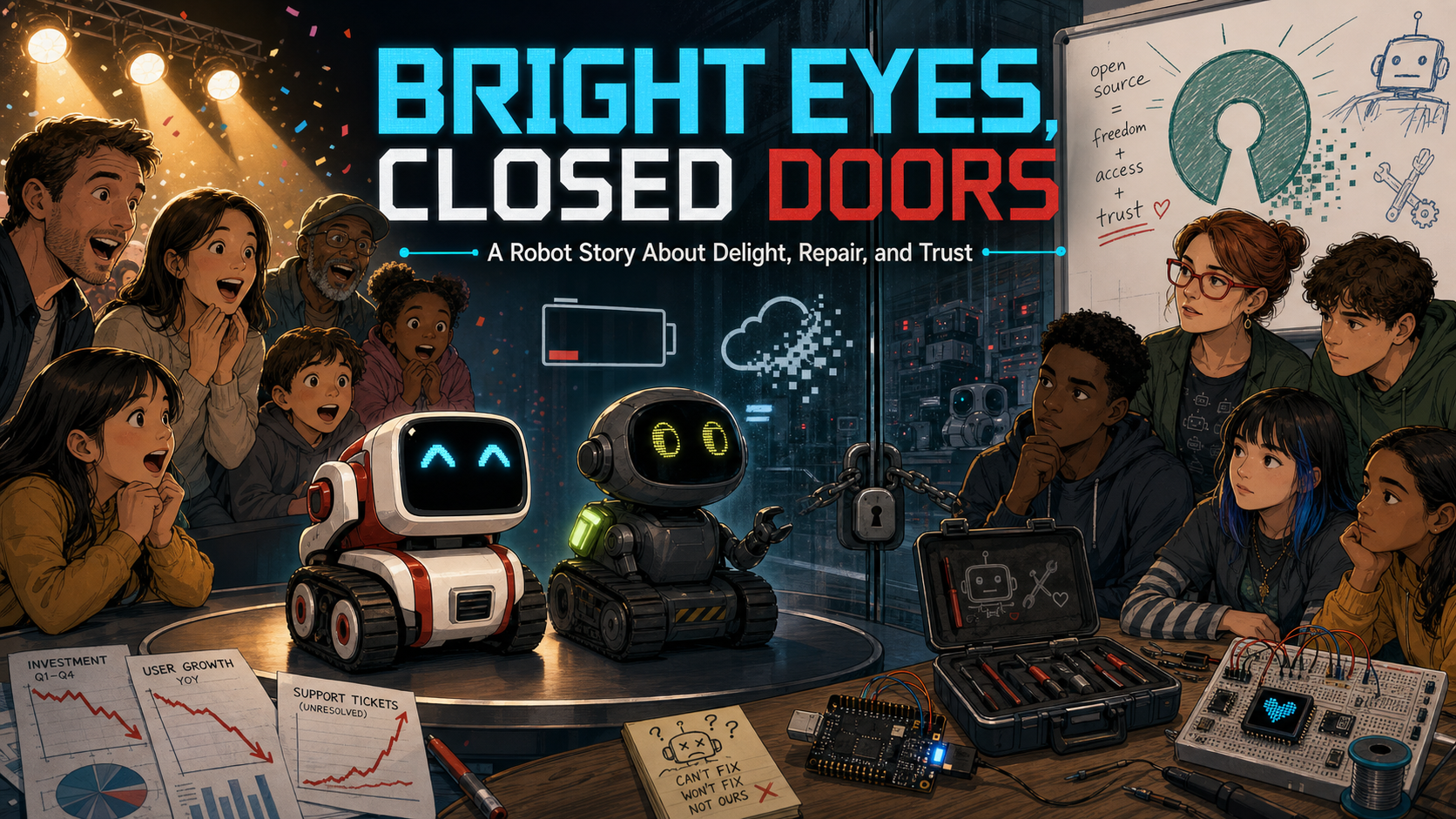
Anki's Cozmo and Vector made small robots feel astonishingly alive. Their expressive eyes, animation, and approachable coding tools inspired students and makers—but sealed hardware, company-controlled software, and an unsustainable business model made them difficult for schools to depend on for the long term.
-
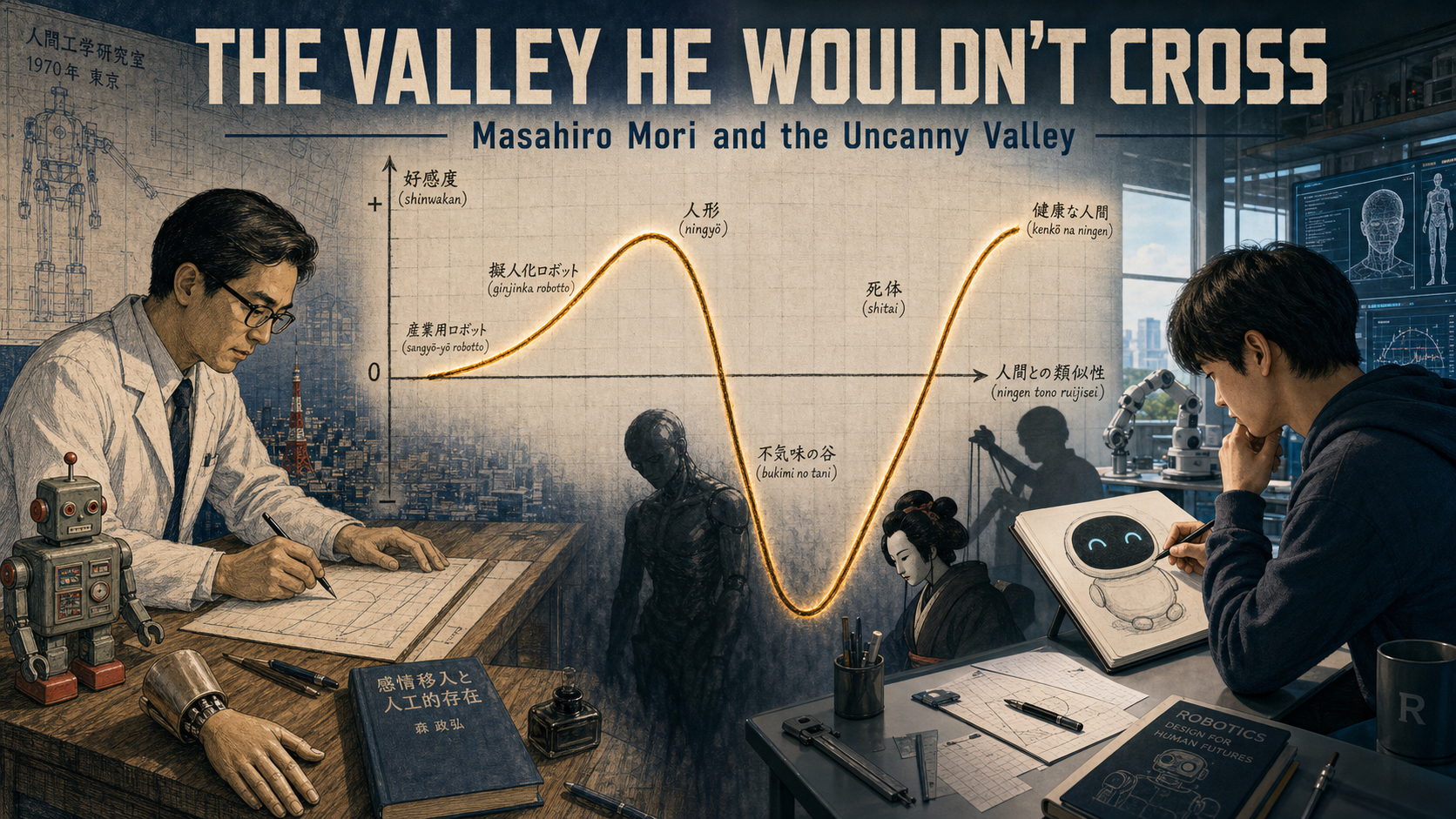
When a realistic prosthetic hand felt eerie instead of comforting, Japanese roboticist Masahiro Mori graphed the feeling instead of ignoring it—and his forgotten 1970 sketch of the "uncanny valley" became one of robotics' most enduring design lessons.
-
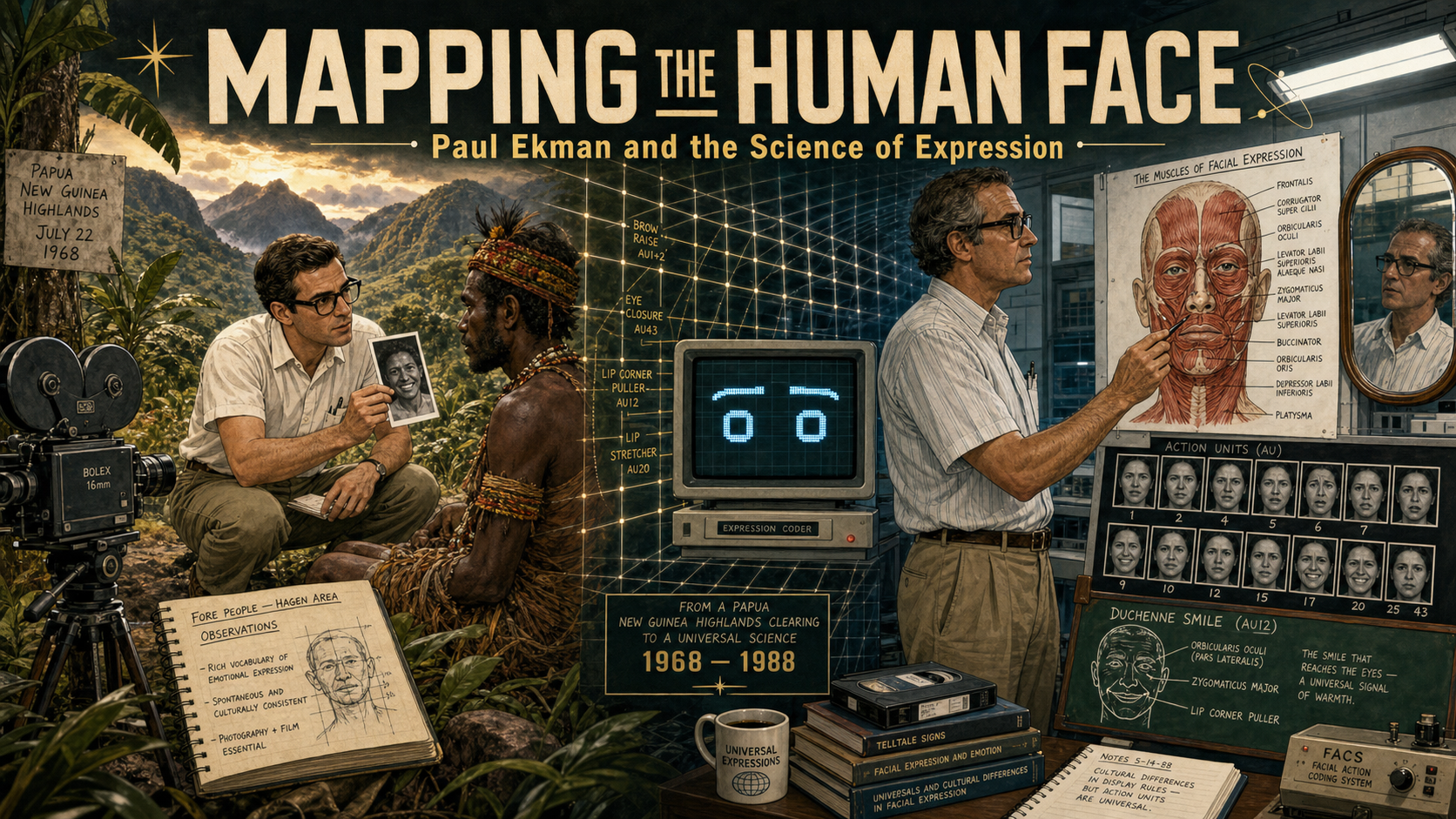
Paul Ekman spent a lifetime turning the fleeting human face into precise, measurable data—first proving that some expressions cross every culture, then building the Facial Action Coding System that robot-face designers still use today.
-
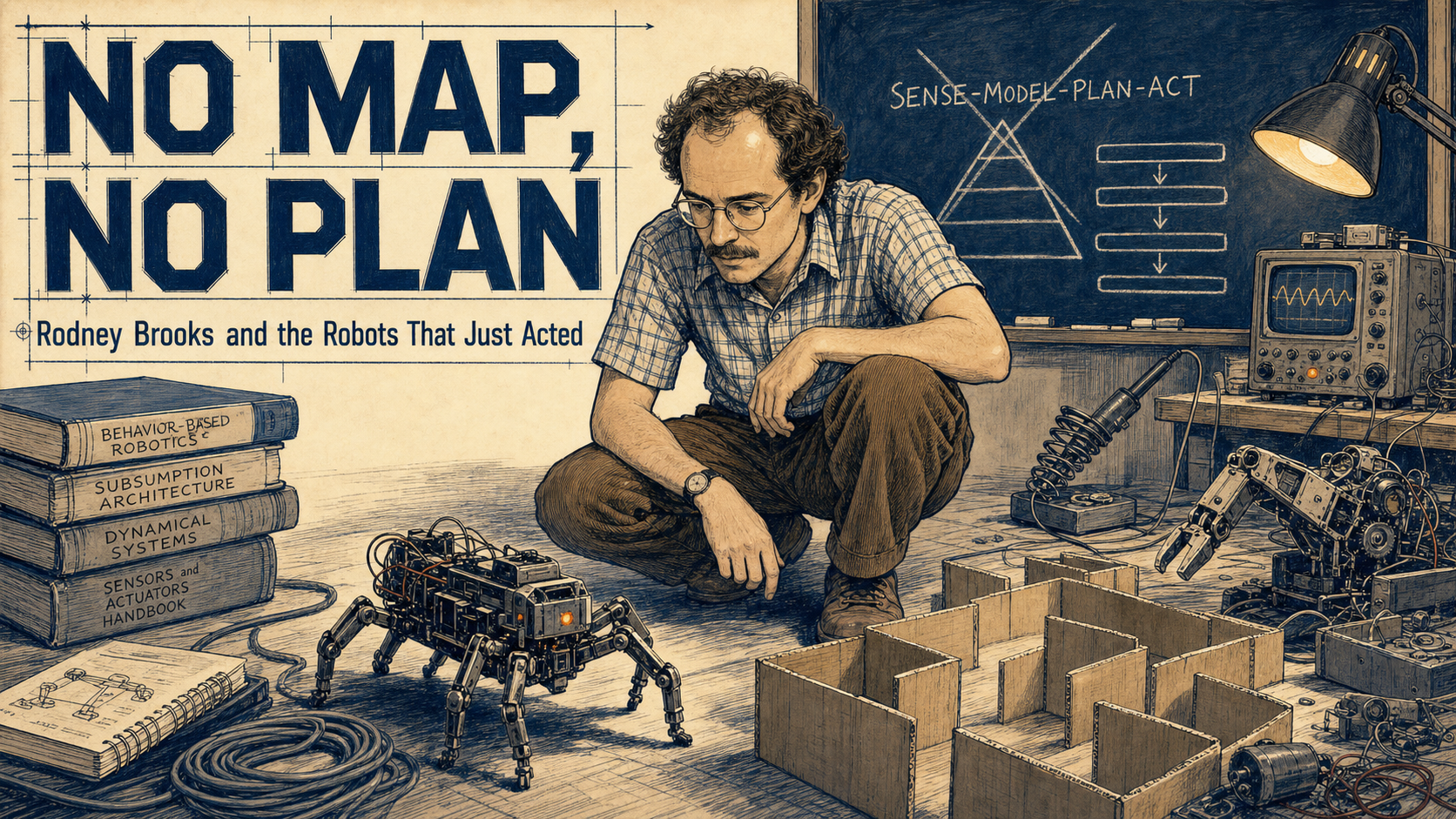
In the 1980s, Rodney Brooks bet that robots didn't need maps or master plans to be smart—just fast, layered reactions to the real world. Follow his insect-like robots, the humanoid Cog, and the spark that became social robotics and the Roomba.
-
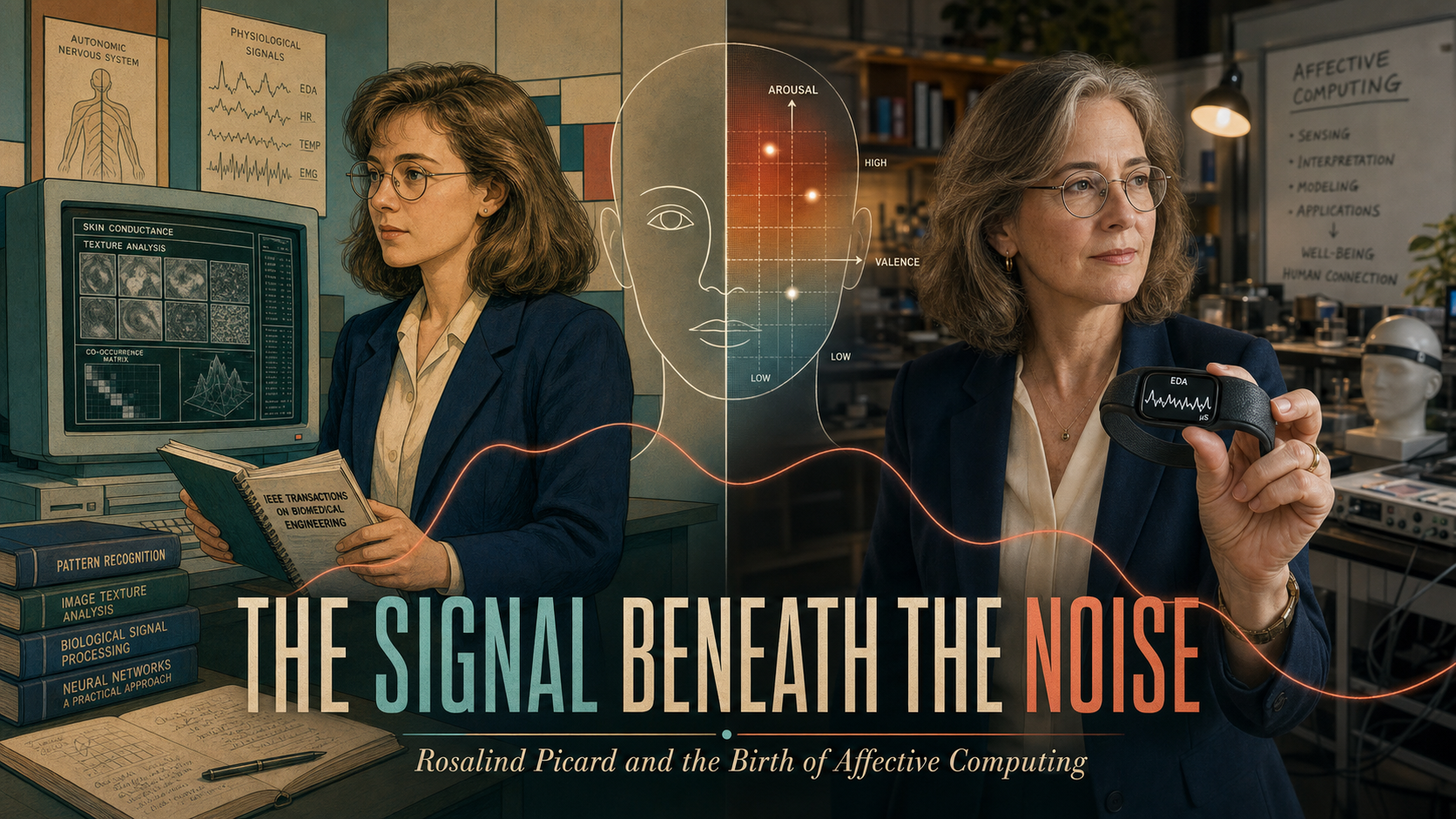
Rosalind Picard risked her reputation as a respected MIT Media Lab computer-vision researcher to argue that emotion isn't noise but essential data, founding affective computing and building the wearable sensors that grew from that bold idea.
-
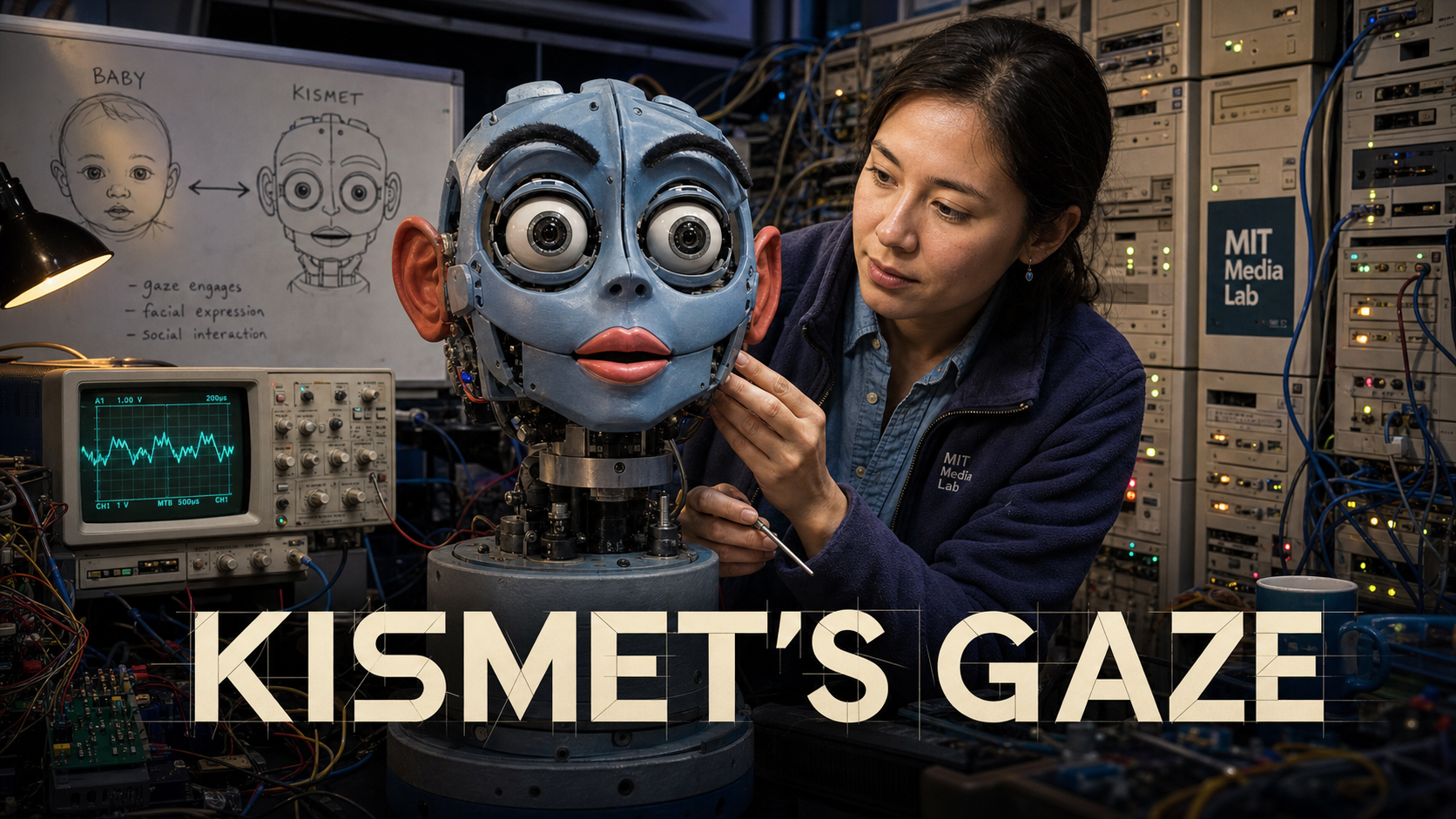
Follow MIT roboticist Cynthia Breazeal as she leaves full-body robots behind to build Kismet—an expressive robot head that learns to connect with people through gaze, timing, and emotion, founding the field of social robotics along the way.
-
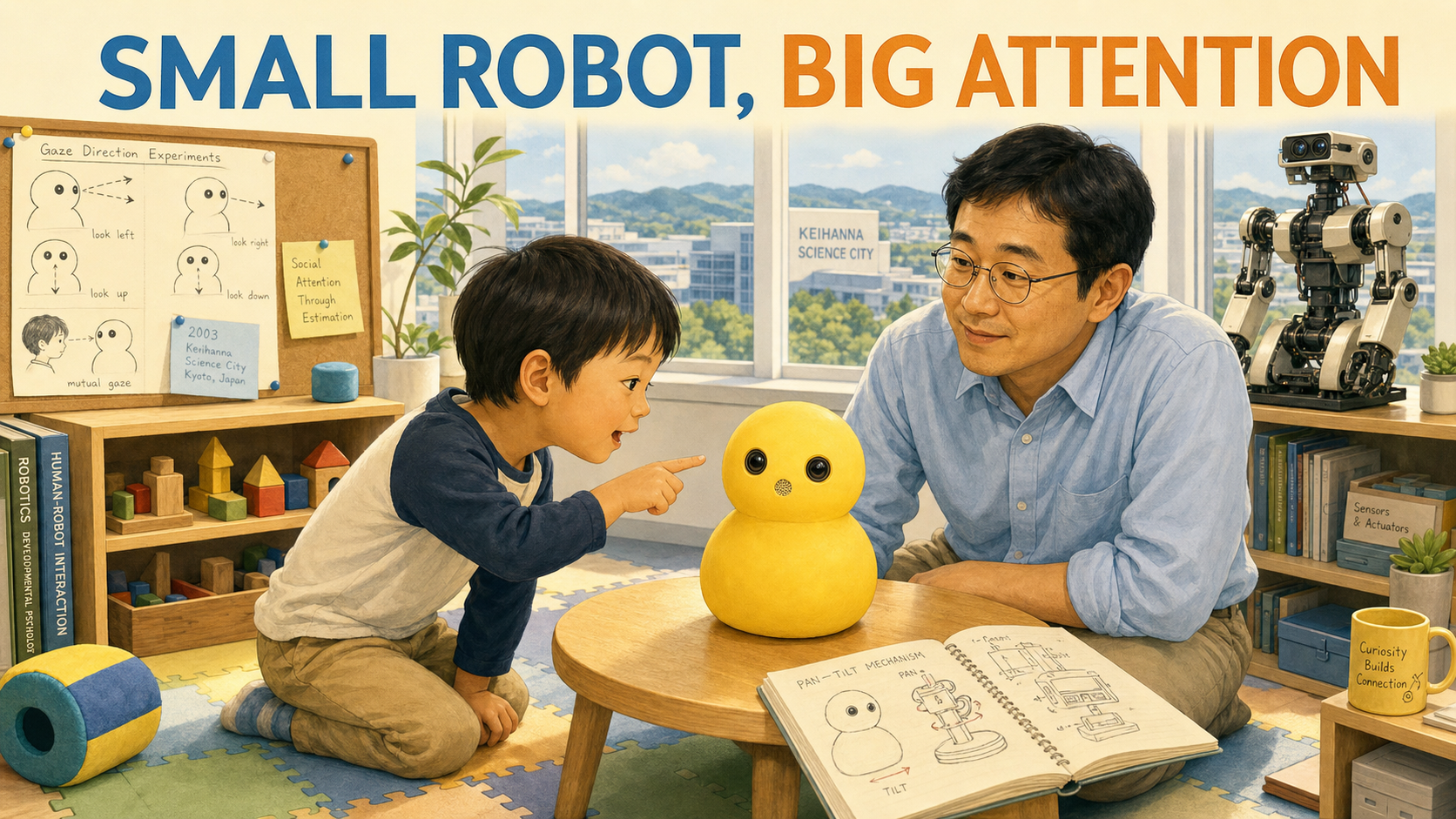
Researcher Hideki Kozima asked how little a robot needs to feel alive—and answered with Keepon, a small yellow robot with just two camera eyes, a microphone nose, and four gentle motions that let it share a child's gaze and rock to music, becoming an unlikely worldwide sensation.
-
The Mirror That Wouldn't See Her
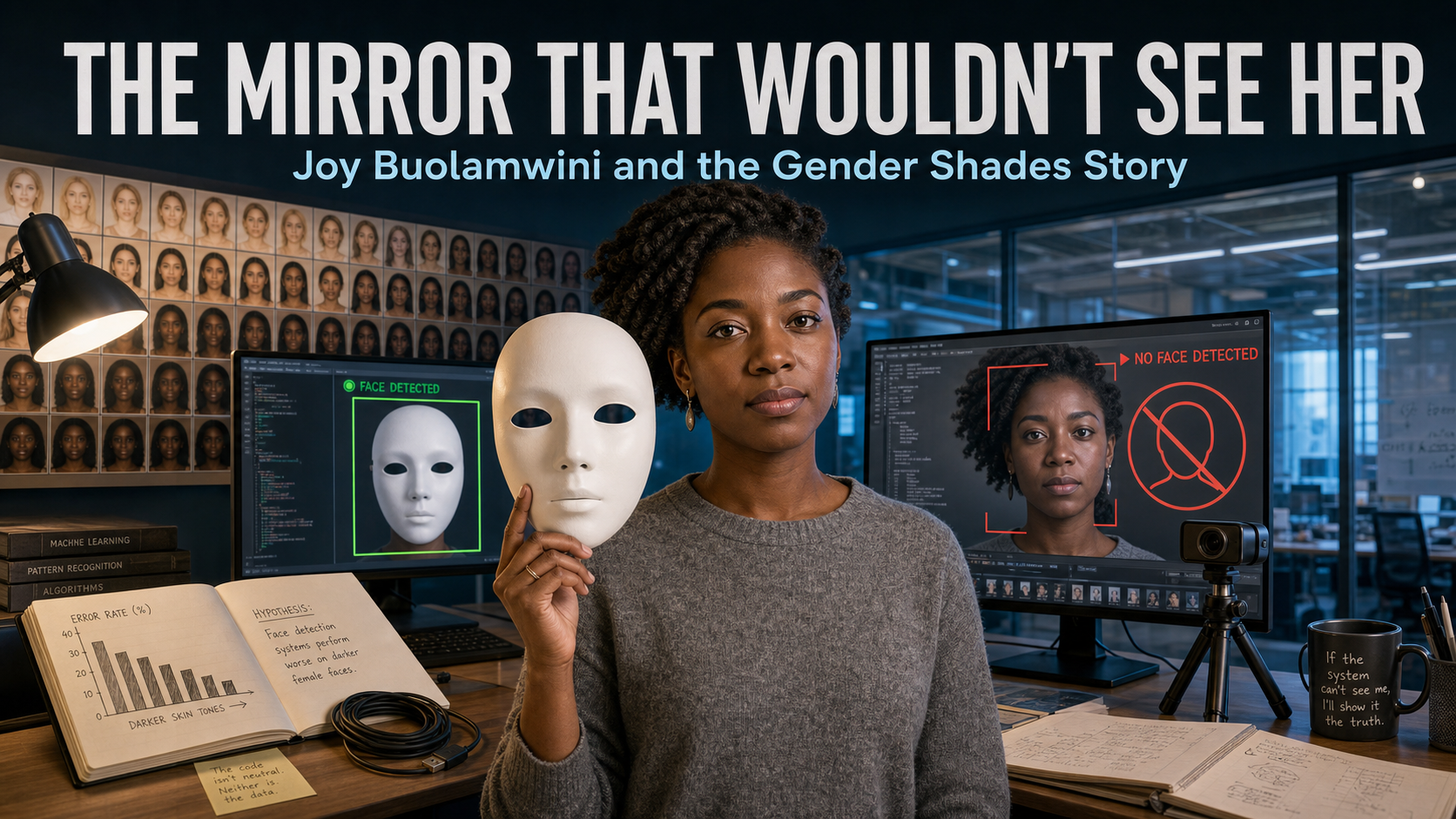
When facial-detection software failed to recognize her own face, MIT researcher Joy Buolamwini didn't shrug it off—she built a fairer benchmark, proved the bias with data, and pushed IBM and Microsoft to fix it.